
Sponsored
How to Reduce Lithium-Ion Battery Fire Risks
Summary
Lithium-ion batteries power our world because of their high energy density and voltage-per-cell, but they are also prone to spontaneous ignition when damaged. Chief Engineer Charles Macaulay lends his insight to discuss this emerging fire hazard.
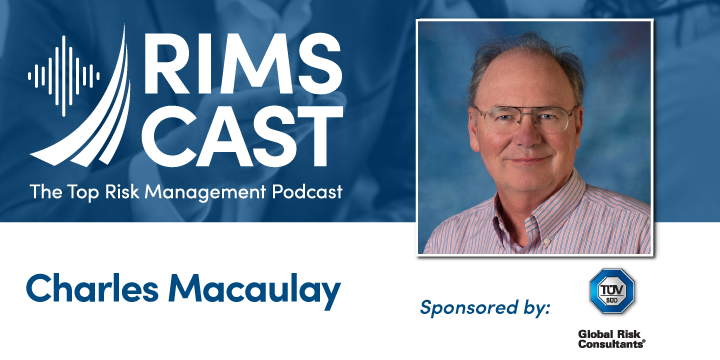
This RIMScast episode, presented by TÜV SÜD Global Risk Consultants, explores the fire risks posed by lithium-ion batteries. These batteries power our world because of their high energy density and voltage-per-cell. But they are also prone to spontaneous ignition when damaged. Chief Engineer Charles Macaulay lends his insight to discuss this emerging fire hazard and inform risk professionals on:
- Safe charging, storage, and discarding practices for lithium-ion batteries
- Why lithium-ion batteries are more utilized than alternatives despite fire hazards
- Primary causes of lithium-ion fires and proper emergency response plans
Press play to hear from an engineering leader with 37 years of industry experience.
Note: All downloads and related contact information will be accessible to the podcast sponsor.